All American Mom Design: A Practical Review
As a designer who has spent years navigating the fine line between digital art and physical stitching, I approach every new asset with a critical eye. The market is flooded with patriotic graphics, but few carry the specific weight of motherhood and national pride simultaneously without feeling kitschy or cluttered. When I first opened the file for the All American Mom Design, my immediate goal was to determine if this piece could transition from a screen graphic into a high-quality, durable finished product that would stand up to the scrutiny of discerning customers.
First Impressions: Mood and Visual Personality
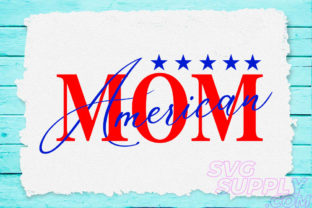
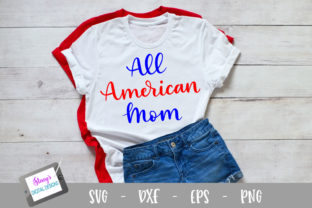
The All American Mom Design immediately establishes a warm, nostalgic mood. It leans heavily on the "handlettered" aesthetic described in its metadata, which is a double-edged sword in embroidery. On one hand, hand-drawn typography adds a human touch that resonates deeply with buyers looking for personalized gifts. On the other, it requires precise execution to avoid looking messy once stitched. Visually, the layout feels balanced, avoiding the trap of overcrowding the text with excessive stars or stripes that often plague patriotic themes. The visual personality is confident yet soft, making it an ideal candidate for custom apparel where comfort and sentiment are equally important.
In the context of Crafts and Graphics, this design stands out because it respects negative space. Unlike many dense machine embroidery designs that struggle with thread buildup, this piece suggests a cleaner stitch path. For a small business owner or Etsy seller, this means less time troubleshooting thread breaks and more time focusing on branding consistency.
Real-World Application: From File to Fabric
To truly evaluate the utility of the All American Mom Design, I imagined a real-life scenario: preparing a custom embroidered tote bag for a local craft fair. Tote bags are a staple for any craft business, but they present unique challenges due to their canvas texture and frequent handling. I visualized placing this design on a natural cotton tote, using a contrasting navy blue thread against the cream background. The handlettered style would pop beautifully, offering a sophisticated alternative to the standard block-letter decals often seen at fairs.
However, the versatility of this design extends beyond totes. Imagine a sweatshirt embroidery project for Mother's Day. The softness of the fleece fabric combined with the organic flow of the lettering creates a premium feel. If you were creating a boutique product line, this design could anchor a collection of holiday-themed items, moving seamlessly from a kitchen towel to a nursery pillow cover. The key here is how the design adapts to different surfaces. Because the lines are relatively bold, it avoids the issue of disappearing into heavy textures, a common pitfall for intricate machine embroidery design files.
For those considering commercial embroidery, the All American Mom Design offers a strong value proposition. Customers buying handmade products often look for uniqueness. This design provides a recognizable theme—American patriotism mixed with maternal love—without feeling generic. It enhances the perceived value of the item, suggesting care and intentionality in the creation process. Whether used as an embroidered patch on a denim jacket or directly stitched onto a baby onesie, the design maintains its integrity.
Navigating Challenges: Where Caution is Required
Despite its strengths, every design has limitations. As a reviewer, I must highlight where the All American Mom Design might struggle if not handled correctly. First, consider the hoop size. While the design appears compact, the flowing nature of the handlettering may require a slightly larger hoop than a simple logo to prevent distortion. If you attempt to squeeze this into a 4x4 hoop without adjusting the scale, you risk compromising the legibility of the text.
Fabric choice is another critical factor. On thin or stretchy fabrics like jersey knit, the density of the fill stitch and satin stitch areas could cause puckering. In such cases, a tear-away stabilizer might not suffice; a cutaway stabilizer is essential to support the stitches and maintain the shape of the letters. Additionally, while the design looks great on light backgrounds, using it on dark fabric requires careful consideration of thread colors. A single layer of white thread might show through the black fabric, so testing the design on scrap material is non-negotiable.
Another area of concern is the "tiny lettering" aspect inherent in some hand-drawn styles. If the design includes smaller accent words or decorative flourishes, ensure your stitch density allows them to remain distinct. Over-stitching these details can turn them into blobs of thread, ruining the delicate aesthetic. Furthermore, if you plan to use this on curved surfaces like caps, the flat nature of the SVG source file (as mentioned in the product description) means you will need to carefully map the digitization to account for the curve, or the text may appear warped after stitching.
Practical Designer Notes for Success
Before committing to a full production run, I strongly advise running a test on scrap fabric. This step is crucial for checking thread color contrast and verifying that the stitch density does not overwhelm the fabric. Look closely at the corners of the letters; sharp angles in handlettered fonts can sometimes result in thread bunching if the digitization isn't optimized.
When preparing your digital embroidery file, review the design in both color and grayscale. Sometimes, a vibrant color palette hides issues with stitch direction that become obvious in black and white. Compare how the design looks on light versus dark fabric backgrounds in your mockups. If you are selling these as finished goods, ensure you have the proper licensing. The product description mentions it is an SVG for cutting machines, but if you are converting it to an embroidery file for sale, confirm that the license permits commercial use of the converted format.
Finally, think about the end user. Will this personalized gift survive frequent washing? The durability of the All American Mom Design depends largely on the quality of the stabilizer and the tension settings on your machine. A well-executed stitch job ensures that the design remains crisp wash after wash, reinforcing customer trust in your brand.
Final Verdict on Versatility and Value
The All American Mom Design is a robust asset for designers willing to put in the necessary preparation. It excels in projects that benefit from a personal, heartfelt touch, such as baby embroidery, holiday gifts, and small shop merchandise. Its ability to bridge the gap between a digital graphic and a tactile, high-quality textile product makes it a valuable addition to any portfolio. By respecting the nuances of fabric texture, stabilizer choice, and stitch placement, you can transform this design asset into a standout piece that elevates your entire product line. Whether you are an Etsy seller or a seasoned apparel decorator, this design offers the potential for professional results when paired with expert technique.