Best Mom Club: A Designer's Real-World Review
As a designer who has spent years navigating the intersection of digital graphics and physical textiles, I approach every new asset with a critical eye. The market is flooded with generic vectors that look great on a screen but fall apart under the needle. When I first opened the Best Mom Club file, my immediate goal was to determine if this piece of Graphics could survive the transition from a digital download to a tangible, high-quality handmade product. For craft business owners and Etsy sellers, that transition is where profit margins are made or lost.
The Visual Weight and Design Intent
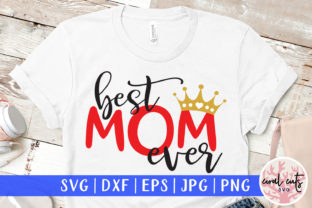
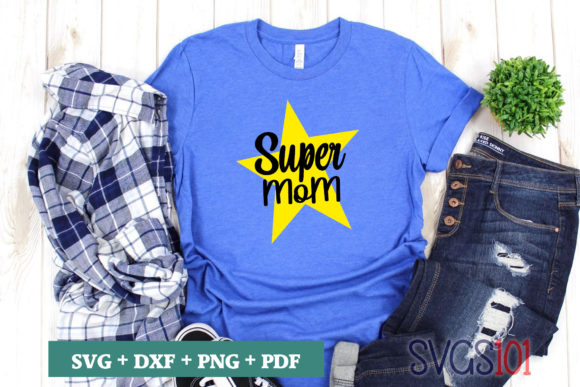
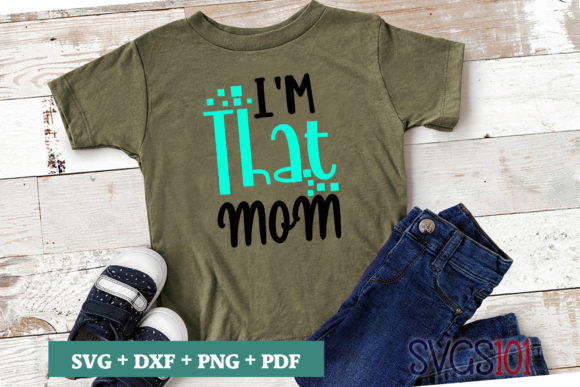
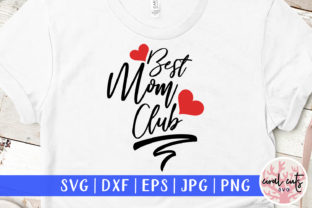
The first impression of Best Mom Club is one of warmth and community. It does not scream for attention with chaotic lines or overly complex flourishes. Instead, it offers a clean, confident layout that suggests a badge of honor rather than just a decorative motif. In the world of custom apparel, simplicity often translates to higher perceived value. This design feels like it belongs on a well-made tote bag, a cozy sweatshirt, or a personalized nursery item. It captures the essence of modern motherhood without relying on clichéd imagery.
However, it is crucial to note the technical nature of this specific asset. The package includes an SVG file for cutter machines compatible with Cricut Design Space and Silhouette Designer Edition, as well as a DXF file for cutter machines where SVG types are restricted. While these are excellent formats for die-cutting vinyl or creating applique templates, they are not native machine embroidery files containing stitch data. This distinction is vital for any professional working in Crafts. If you intend to use this for actual stitching, you must convert the vector paths into a stitch file using your preferred digitizing software. This extra step gives you full control over stitch density, pull compensation, and thread direction, which is essential for a polished finished product.
Real-Life Application: The Custom Sweatshirt Scenario
Imagine a client request for a boutique line of "Mom Life" merchandise. You decide to feature Best Mom Club on a heavy-weight cotton blend sweatshirt. Because the design is vector-based, you can scale it precisely to fit the chest area without losing definition. Once converted to a machine embroidery design, the clean lines of the text and any accompanying icons should translate beautifully into satin stitches for the lettering and fill stitches for any solid shapes.
In this scenario, the visual appeal is paramount. Customers buying a sweatshirt expect the embroidery to sit flat and crisp against the fabric texture. If the original graphic has tight curves or tiny details, those areas might require careful digitization to prevent bird-nesting or thread breakage. By testing the design on a scrap piece of the same sweatshirt material first, you can verify that the hoop size is appropriate and that the stabilizer choice supports the weight of the garment. A proper backing will ensure the Best Mom Club logo maintains its shape even after multiple washes, preserving the brand consistency of your small shop product.
Strategic Uses for Tote Bags and Patches
Beyond apparel, this design shines as an embroidered patch or a focal point on canvas tote bags. For a tote bag design, the durability of the stitching becomes the primary selling point. Mothers carry these bags everywhere; the embroidery must withstand friction and weight. Using a dense fill stitch for the background elements of Best Mom Club can add a premium feel, making the bag look like a high-end boutique item rather than a generic craft fair find. Conversely, for a baby embroidery project, such as a onesie or blanket, you would want to reduce the stitch count slightly to ensure the fabric remains soft and breathable against sensitive skin.
If you are planning to sell these as holiday gifts or personalized items, the versatility of the SVG format allows you to create printable mockups quickly. These digital previews are essential for buyer engagement, allowing customers to visualize the final look before purchasing. However, always remember that a mockup is a promise. Your actual execution must match the preview. If the Best Mom Club design looks perfect on a dark gray shirt in the mockup but uses white thread on a real black shirt without a heat transfer backing, the result will be disappointing. Always compare light and dark fabric backgrounds during your testing phase.
Navigating Technical Challenges
While Best Mom Club is a strong candidate for various projects, there are scenarios where caution is required. Small hoop sizes can be problematic if the design is scaled down too much. Tiny lettering often loses legibility when stitched, turning elegant typography into a blob of thread. Similarly, textured fabrics like corduroy or heavy denim can distort the placement of the design if the stabilizer is not robust enough. Stretchy fabrics present another challenge; without proper hooping and tension adjustments, the embroidery can pucker the material, ruining the silhouette of the design.
For curved surfaces like caps, the flat geometry of the original graphic may need slight modification during the digitizing process to account for the curvature. Additionally, if you plan to layer this design with other decorative accents, ensure the stitch density does not become so high that it stiffens the fabric. Frequent washing is also a consideration; designs with high thread counts on thin fabric may crack or lift over time. As a professional, you know that checking whether the design works for both personal and commercial projects involves more than just aesthetics—it requires a deep understanding of material science and machine mechanics.
Professional Notes for the Serious Maker
To truly leverage Best Mom Club in your craft business, follow these practical steps. First, never skip the test run on scrap fabric. This simple habit saves hours of rework and wasted materials. Check your thread colors carefully; the contrast between the design and the base fabric dictates readability and impact. Review the stitch density in your digitizing software to ensure there are no gaps in the fill or excessive bulk in the satin columns.
Confirm your hoop size matches the maximum dimensions of the design to avoid distortion. Inspect small details closely; sometimes what looks fine on a monitor reveals itself as too delicate for a needle upon closer inspection. Test the design in black and white mockups to evaluate the flow and balance before committing to expensive threads. Finally, confirm licensing before selling finished items. While the SVG and DXF files are provided for cutter machines, ensure your usage rights extend to commercial embroidery products if you plan to sell the finished goods. By treating Best Mom Club with this level of professional rigor, you transform a simple graphic into a cornerstone of your brand identity, delivering a finished product that customers will trust and cherish.