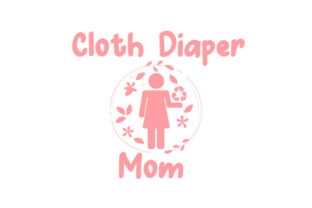
Cloth Diaper Mom: A Designer's Practical Review
As a designer who has spent years navigating the intersection of digital art and physical stitching, I approach every new machine embroidery design with a critical eye. It is not enough for a file to look good on a screen; it must translate flawlessly into thread on fabric. Today, I am evaluating the Cloth Diaper Mom design. This piece sits squarely in the Baby category but carries significant weight for anyone running a craft business focused on eco-friendly parenting or sustainable living. Whether you are an Etsy seller looking to expand your nursery collection or a hobbyist creating a personalized gift, understanding the practical application of this embroidery file is essential before you commit to a project.
First Impressions and Visual Personality
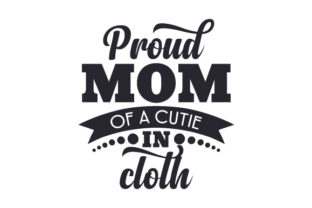
When I first opened the preview for Cloth Diaper Mom, the mood was immediately clear: it is warm, nostalgic, and unapologetically functional. The layout avoids overly intricate details that often get lost in the needlework process. Instead, it relies on bold shapes and clean lines that suggest a high level of stitch clarity. For a design targeting parents who choose reusable options, the visual personality needs to be sturdy and trustworthy, much like the philosophy behind cloth diapering itself. The design does not feel fragile; it feels like a statement piece suitable for custom apparel or durable home goods.
The aesthetic leans towards modern simplicity, which is a smart move for the current market. In the world of digital product sellers, designs that work across various mediums—from a tote bag design to a baby embroidery project on a onesie—are gold. This specific asset seems versatile enough to handle both fill stitch areas for solid color blocks and potential satin stitch outlines for definition, provided the digitization is handled correctly.
Real-World Application: From File to Finished Product
Let us imagine a real-life scenario. You are preparing a line of organic cotton tote bags for an upcoming craft fair. These bags will carry the message of sustainability, and you want them to feature the Cloth Diaper Mom motif prominently. As you load the embroidery file into your machine, you consider the placement. Because the design likely features text or distinct iconography, centering it on the front of the bag makes sense. However, if you were moving this to a sweatshirt embroidery project, the curvature of the chest pocket area might require careful attention to how the design wraps around the fabric.
In my experience, designs like this perform exceptionally well on structured items such as embroidered patch bases, aprons, or even pillow covers for a nursery. The "Mom" aspect of the title suggests a strong connection to identity, making it perfect for handmade products sold in boutique shops. If you are creating holiday embroidery gifts, this design could serve as a heartfelt present for a new mother embracing cloth diapers. The key is ensuring the final finished product looks professional. Customers buying from small shop owners expect precision. If the lettering blurs or the shapes bleed, the perceived value drops instantly.
For those selling commercial embroidery services, this design offers a niche appeal. While generic baby motifs are saturated, a specific nod to cloth diapering targets a dedicated community. This specificity can drive higher engagement and customer loyalty. When paired with high-quality thread colors that contrast well against the background, the design becomes a focal point rather than just decoration.
Navigating Technical Challenges and Fabric Choices
Despite its promise, no design is immune to technical pitfalls. As a reviewer, I must highlight where Cloth Diaper Mom requires caution. First, consider the hoop size. If the design includes wide elements or long text, it may exceed the capacity of a standard 4x4 hoop. Always check the dimensions against your machine's capabilities before purchasing. Attempting to stretch a design to fit a smaller hoop can distort the proportions, ruining the visual balance.
Fabric texture plays a massive role here. If you plan to use this on a textured fabric like a heavy terry cloth towel or a chunky knit blanket, the stitch density must be sufficient to anchor the threads without puckering. Conversely, using it on thin or stretchy fabrics, such as jersey tees, demands a robust stabilizer. Without proper backing, the tension from the needle can cause the fabric to ripple, making the "Cloth Diaper Mom" text difficult to read. Dark fabrics also present a challenge; ensure you have selected thread colors that offer maximum visibility. A light gray thread on a navy sweatshirt will simply disappear, rendering the design ineffective.
Furthermore, curved surfaces like caps or hats require special handling. The design must be flexible enough to adapt to the curve without distorting the image. If the design contains tiny lettering or sharp corners, these are the first places to fail on a curved surface. Always inspect small details closely. If the original file includes fine lines, they may need to be thickened slightly during the digitizing process to ensure they stitch out cleanly.
Designer Notes for Professional Results
To ensure success with Cloth Diaper Mom, I recommend a strict testing protocol. Never skip the step of testing the design on scrap fabric first. Use the same material and stabilizer you intend for the final project. This allows you to adjust tension and verify that the running stitch or fill patterns lay flat. Check the thread colors under different lighting conditions to ensure they meet your brand standards.
Review the stitch density carefully. Too dense, and the fabric pucks; too sparse, and the design looks unfinished. Confirm the hoop size matches your machine's limits. Inspect small details, especially if the design includes faces or hands, to ensure they do not look distorted after stitching. Test it in black and white printable mockup formats to visualize the contrast before committing to expensive thread. Compare how it looks on light versus dark fabric backgrounds to determine the best use cases.
Finally, always use the proper stabilizer for the specific fabric type. Check whether the design works for both personal and commercial projects by reviewing the license terms associated with the SVG File, Transparent PNG, EPS, or DXF formats you receive. Confirm licensing before selling finished items or digital products to avoid legal issues. By following these steps, you transform a simple embroidery project into a polished, professional asset that enhances your craft business reputation.
Ultimately, Cloth Diaper Mom is more than just a pattern; it is a tool for storytelling and branding. With careful planning and technical execution, it can become a standout item in your portfolio, appealing to parents who value quality and sustainability in their Baby gear and home decor.