Review: Mom Baby Elephant Holding Tails Design
As a designer who has spent years navigating the intersection of digital art and physical stitching, I approach every new machine embroidery design with a critical eye. It is not enough for an image to look good on a screen; it must translate seamlessly into thread, stabilizer, and fabric. Recently, I evaluated the Mom Baby Elephant Holding Tails design, a piece that immediately caught my attention within the Animals category. This review breaks down how this specific file performs in real-world scenarios, from personal gifts to commercial product lines.
First Impressions and Visual Personality
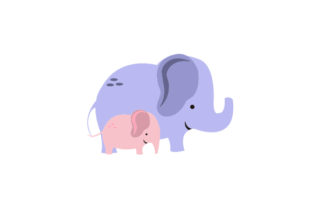
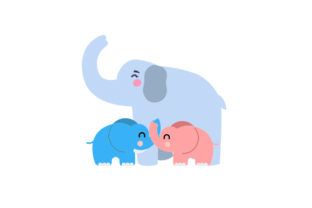
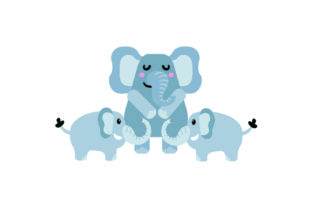
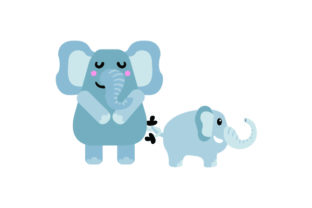
The moment you open the preview for Mom Baby Elephant Holding Tails, the mood is unmistakable. It radiates warmth, connection, and gentle nostalgia. The composition centers on two elephants linked by their tails, a motif that speaks universally to family bonds. Unlike many generic animal designs that rely on complex shading or chaotic backgrounds, this piece utilizes clean outlines and balanced negative space. This simplicity is a strength. In the world of Crafts, less often means more when it comes to stitch clarity.
The visual personality of the design feels timeless rather than trendy. It does not scream "seasonal" but rather "always appropriate." For an Etsy seller or boutique owner looking to expand their inventory with items that have year-round appeal, this is a significant asset. The shapes are distinct, suggesting that the stitch density will likely be manageable, avoiding the common pitfall of overly dense fills that can pucker thin fabrics.
Real-World Application: A Case Study
To truly test the viability of Mom Baby Elephant Holding Tails, I imagined a specific project: a high-quality organic cotton tote bag for a local baby boutique. The goal was to create a personalized gift option where customers could add a name below the design. The tote bag offers a flat, stable surface, which is ideal for testing the structural integrity of the design.
In this scenario, the design's layout works exceptionally well. The circular motion created by the elephants holding tails creates a natural focal point. When visualizing the fill stitch on the bodies of the elephants, the smooth curves suggest that the machine will navigate them without excessive jump stitches. For a tote bag design, the size of the elephants allows for a bold statement without overwhelming the canvas. If I were scaling this down for a cap embroidery project, I would need to be cautious. The connection point where the tails meet is delicate; on a curved surface like a hat, the tension could distort this specific detail if the hoop size is too small.
Another compelling use case is baby embroidery. Imagine this stitched onto a soft fleece blanket or a onesie. The theme fits perfectly. However, the choice of thread colors becomes critical here. On light-colored baby clothes, using pastel blues or soft grays for the fill would maintain the gentle aesthetic. Conversely, on a dark navy sweatshirt, a white outline with a satin stitch border would make the design pop, ensuring the finished product looks professional and crisp.
Navigating Technical Challenges
While Mom Baby Elephant Holding Tails is versatile, it is not without its challenges. As with any embroidery file, success depends on proper preparation. One area requiring careful attention is the interaction between the two elephants. If the design is scaled too small, the gap between the bodies might disappear, causing the threads to blend into a single mass. This is particularly risky on textured fabrics like denim or heavy canvas, where the texture can hide fine details.
For custom apparel made from stretchy materials, such as jersey knit t-shirts, the stabilizer choice is non-negotiable. Without a cut-away stabilizer, the elasticity of the fabric could distort the elephants' proportions after washing. The running stitch used for outlining the trunks and ears must be tight enough to prevent fraying but loose enough to allow the fabric to breathe.
I also advise against using this design on very dark fabrics without a backing layer unless you are prepared for extensive underlay work. The transparent PNG preview helps visualize the placement, but it cannot simulate how light interacts with dark thread on dark fabric. Testing the design on scrap fabric first is essential. You need to see how the satin stitch handles the curves of the ears and whether the fill stitch covers the background completely without showing through.
Business Value and Customer Perception
From a business perspective, incorporating Mom Baby Elephant Holding Tails into a product line can significantly enhance brand consistency. Designs that evoke emotion tend to drive higher engagement. A customer seeing this on a handmade product perceives care and thoughtfulness. It transforms a simple item into a meaningful keepsake.
For Etsy sellers and small shop owners, this design offers excellent versatility. It can be marketed as a holiday embroidery item during gift seasons, yet it remains relevant for birthdays, Mother's Day, and nursery decor throughout the year. The ability to offer this as an embroidered patch adds another revenue stream. Patches are popular because they allow customers to customize existing clothing, and the clear definition of the elephants makes them perfect for this application.
When creating printable mockups for your online store, ensure the lighting highlights the texture of the thread. Customers need to understand that this is a tactile experience, not just a printed image. High-quality photos of the finished product build trust. If the mockup shows a messy back or puckering, potential buyers will hesitate. Professional presentation validates the quality of the digital embroidery file.
Practical Designer Notes for Success
Before committing to a production run or selling finished goods, there are several practical steps to take. First, verify the licensing terms. While the design comes in formats like SVG, DXF, and EPS, these files are tools. You must confirm whether the license permits selling the commercial embroidery items you create. Some licenses restrict the number of sellable items or require attribution.
Second, always check the hoop size requirements. Even though the design appears compact, the recommended hoop might be larger than expected to accommodate the full span of the tails. Using a hoop that is too large can damage delicate fabrics, while one that is too small will result in incomplete stitching.
Third, consider the color palette. Test the design in black and white first to assess the contrast and balance. Then, experiment with different thread colors to see how they affect the overall mood. A monochromatic scheme might feel modern and chic, while a multi-color approach could appeal to a younger demographic.
Finally, remember that Mom Baby Elephant Holding Tails is a tool in your creative arsenal. Its value lies in how you adapt it to your specific needs. Whether you are creating a pillow cover for a client or stocking shelves for your own craft business, the key is to treat the design with respect. Take the time to adjust settings, choose the right materials, and test thoroughly. By doing so, you ensure that the final result honors the charm of the original artwork and delivers a high-quality product that customers will cherish.