Reviewing Mom Est for Real Embroidery Projects
As a designer who has spent years translating digital files into tangible thread on fabric, I approach every new machine embroidery design with a mix of curiosity and skepticism. The market is flooded with generic assets, so finding a piece that actually holds up under the scrutiny of a real client project is rare. Today, I am evaluating Mom Est, a design categorized under Crafts and Graphics, to see if it delivers on its promise or if it’s just another pretty file that falls apart when you try to stitch it.
First Impressions: Mood and Visual Weight
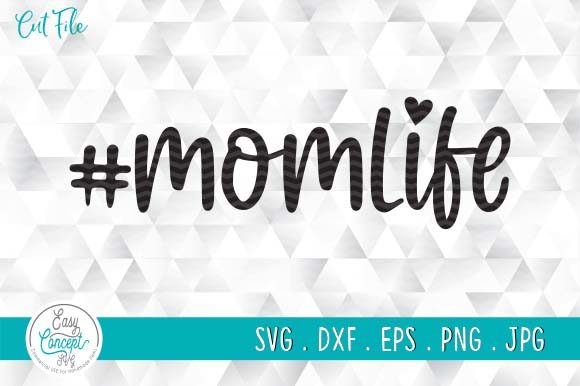
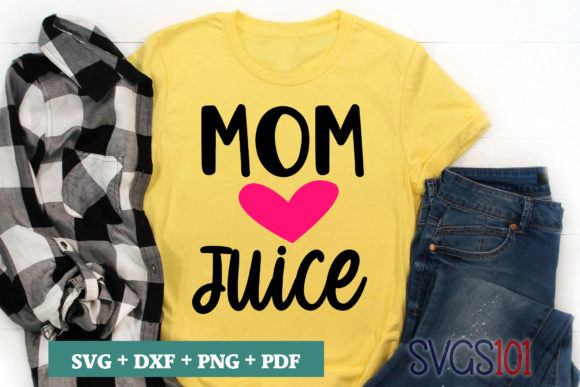
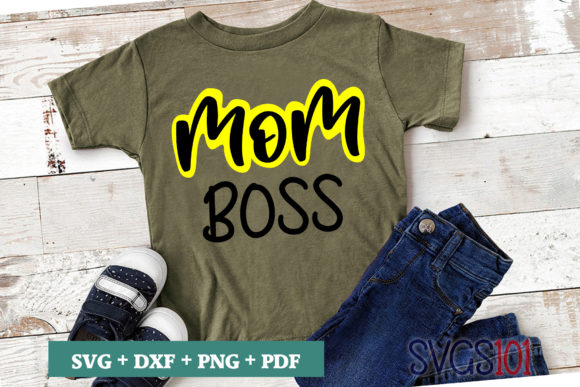
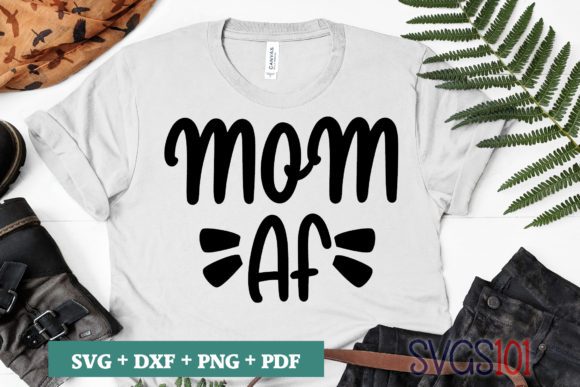
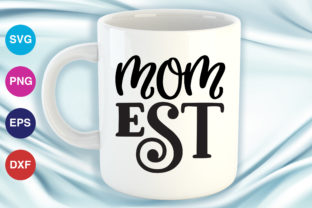
When I first opened the preview for Mom Est, the immediate feeling was one of understated elegance. Unlike many designs in this category that rely on excessive flourishes or cluttered layouts, this graphic feels balanced. It carries a visual weight that suggests it could stand alone as a statement piece without overwhelming the garment. For an Etsy seller or boutique owner looking to create a cohesive brand identity, this kind of clean aesthetic is invaluable. It doesn't scream for attention; instead, it invites the customer to look closer at the quality of the work.
The typography and shape language suggest a modern take on a classic theme. In my experience, designs that lean towards minimalism often translate better across different mediums, from a simple tote bag to a structured sweatshirt. The layout appears intentional, avoiding the trap of having too much negative space in critical areas where the needle might struggle to anchor the thread. This initial assessment gives me confidence that Mom Est could be a strong contender for high-end handmade products.
Real-World Application: From File to Fabric
To truly understand the potential of this embroidery file, I need to visualize it in a real-life scenario. Imagine I am preparing a custom order for a local craft fair. A customer wants a personalized gift for her mother—a high-quality cotton tote bag or perhaps a cozy fleece sweatshirt. How does Mom Est perform here?
If I were placing this design on a canvas tote bag, the sturdy nature of the fabric would provide a solid foundation. The design's clarity would likely shine through, making the text crisp and legible even from a distance. For a sweatshirt, the challenge shifts slightly. Fleece has a nap, which can sometimes obscure fine details. However, because Mom Est seems to have a robust structure, it should maintain its integrity. The key would be using a heavy-duty tear-away stabilizer to prevent the fabric from pulling away from the hoop during the stitching process.
I also see great potential for this as an embroidered patch. If I were to digitize the outline for a satin border and use a dense fill stitch for the interior, the result could be a durable accessory that adds instant value to denim jackets or backpacks. For small shop owners, creating patches is a fantastic way to diversify inventory without needing a full range of apparel sizes. The versatility of Mom Est makes it a practical asset for expanding a product line.
Navigating Technical Challenges
While the design looks promising, experienced decorators know that no file is perfect for every situation. There are specific contexts where Mom Est requires careful handling. One major consideration is the hoop size. If the design is intended for smaller applications, such as a baby onesie or a cap front, we must ensure that the lettering or graphical elements do not become too small. Tiny details can easily get lost in the texture of knit fabrics or stretchy materials like jersey.
Another area of caution involves stitch density. If the design relies heavily on intricate fills, stitching it on thin or delicate fabrics could cause puckering. I always recommend testing the design on scrap fabric first, especially when working with dark fabrics where the contrast between the thread and background is crucial. On dark garments, the density needs to be high enough to cover the base color completely, but not so high that it stiffens the material.
For curved surfaces like caps, the placement of Mom Est becomes critical. If the design includes long horizontal lines or wide spans, the curve of the hat panel might distort the final look. In these cases, adjusting the angle or breaking the design into sections might be necessary to achieve a professional finish. Additionally, if the design is used on items that require frequent washing, such as kitchen towels or aprons, the thread tension and stabilizer choice become paramount to prevent fraying over time.
Strategic Value for Craft Businesses
From a business perspective, the value of Mom Est extends beyond the single stitch. For a creative entrepreneur, having a reliable digital embroidery file allows for consistent branding across multiple product types. Whether you are selling printable mockups to showcase your skills or producing actual custom apparel, consistency builds customer trust. When a buyer sees the same high-quality design on a pillow cover, a tea towel, and a holiday ornament, it reinforces the perception of a professional brand.
The fact that the package includes SVG, Transparent PNG, EPS, and DXF formats adds significant utility. While the embroidery machine will primarily use the converted stitch file, having the vector formats (SVG, EPS) and raster options (PNG, DXF) means you can easily create marketing materials, website banners, or even cut vinyl versions for layered projects. This flexibility is a game-changer for small business owners who wear many hats and need to maximize their design assets.
However, before integrating Mom Est into your commercial workflow, always confirm the licensing terms. As a responsible maker, you must ensure you have the right to sell finished products containing this design. Some licenses allow for personal use only, while others grant commercial rights for a limited number of items. Clarifying this upfront protects your business from legal headaches down the road.
Practical Designer Notes for Success
To get the most out of this project, I recommend a few specific steps. First, test the design on a variety of thread colors to find the best contrast for your target audience. A bold color combination can elevate a simple design, while a tonal look might feel more sophisticated. Second, review the running stitch and satin stitch areas in your digitizing software to ensure they flow smoothly without unnecessary jumps.
Always check the design against light and dark fabric backgrounds in your mockup software. What looks good on white might disappear on black without proper adjustments. Finally, don't forget the stabilizer. Whether you choose a cut-away for stretchy knits or a tear-away for wovens, the right support system is what separates a amateur-looking project from a polished finished product.
In conclusion, Mom Est presents itself as a thoughtful, versatile option for designers looking to add a touch of class to their portfolio. It balances simplicity with character, making it suitable for everything from heartfelt personalized gifts to strategic commercial embroidery runs. By respecting the technical nuances of the medium and applying sound design judgment, you can turn this file into a standout piece that resonates with customers and enhances your reputation as a skilled maker.