Reviewing Mom s Kitchen, Kitchen for Real Embroidery
As a designer who has spent years translating digital files into tangible thread and fabric, I approach every new machine embroidery design with a mix of excitement and skepticism. The market is flooded with generic assets, so finding a piece that actually holds up under the scrutiny of a real-world project is rare. Today, I am evaluating the Mom s Kitchen, Kitchen design to see if it deserves a spot in my commercial library or if it belongs on the scrap pile. This isn't just about pretty pixels; it is about how this Graphics file performs when stitched onto a sweatshirt, an apron, or a tote bag for a paying client.
The First Impression: Mood and Visual Personality
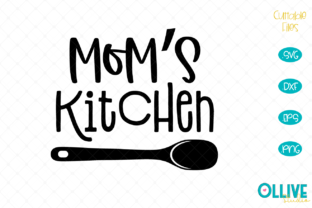
When I first opened the preview for Mom s Kitchen, Kitchen, the immediate feeling was one of warm nostalgia. It captures that specific aesthetic of a well-loved home cook's space without feeling cluttered. In the world of handmade products, the mood of the design dictates its success. This particular layout feels balanced, avoiding the trap of being too busy for smaller items while offering enough detail to stand out on larger surfaces. The visual personality suggests a rustic-chic vibe, which aligns perfectly with current trends in custom apparel and home decor. For an Etsy seller or boutique owner, this kind of thematic clarity is crucial because it tells the customer exactly what they are buying before they even touch the product.
However, the transition from screen to stitch is where the real work begins. A design that looks crisp on a monitor can fall apart if the line weights are inconsistent or if the negative space is too tight. My initial assessment of Mom s Kitchen, Kitchen suggests it has strong outlines, but I need to verify how those lines translate into satin stitch versus fill stitch. The shape seems robust enough to handle various fabric textures, which is a promising sign for versatility.
Real-World Application: From Tote Bags to Holiday Gifts
To truly test this asset, I imagined a specific scenario: creating a limited run of personalized kitchen towels and embroidered patches for a holiday gift guide. Imagine a high-quality cotton tea towel. The goal is to place Mom s Kitchen, Kitchen near the hemline. Because the design is available as a digital file in multiple formats—specifically SVG, EPS, DXF, and PNG—it offers flexibility for different workflows. The SVG format is particularly useful here for importing into Silhouette Studio Designer to adjust placement or scale before sending it to the machine.
In this context, the design shines. The text elements appear legible, which is often the biggest failure point in culinary-themed embroidery. If the lettering gets lost in the stitching, the entire finished product loses its value. With Mom s Kitchen, Kitchen, the typography seems distinct enough to remain readable even after washing. Furthermore, the imagery surrounding the text complements rather than competes with it. This balance is essential for commercial embroidery projects where brand consistency matters. Whether you are branding a small shop product or creating a unique personalized gift, the design needs to communicate quality instantly.
I also considered using this as an embroidered patch for denim jackets or canvas backpacks. The boldness of the design makes it a strong candidate for applique-style work, though the provided files are primarily vector-based graphics. If you plan to use this for applique, you would need to manually create the cut files or trace the shapes within your software. The DXF compatibility mentioned for Silhouette Basic Edition users is a significant plus for those cutting their own backing materials, streamlining the production process for a craft business.
Navigating Challenges: Fabric, Hoop Size, and Density
Despite the positive first impressions, there are areas where caution is required. As any experienced embroiderer knows, not every design works on every surface. When working with Mom s Kitchen, Kitchen, I would advise against using it on extremely thin or highly stretchy fabrics like jersey knit without heavy stabilization. The intricate details could pucker easily if the stabilizer choice is incorrect. Always test the design on scrap fabric first to check for tension issues.
Hoop size is another critical factor. While the design is scalable, shrinking it down too much for a cap or a baby onesie might compromise the legibility of the text. Tiny lettering is the enemy of clean embroidery. If you attempt to fit this design into a 4x4 inch hoop for a hat, you risk losing the definition of the smaller decorative elements. In such cases, it is better to simplify the design or choose a larger garment area. Additionally, the stitch density must be reviewed. If the fill areas are too dense, the fabric may become stiff, ruining the drape of a delicate item like a silk scarf or a fine linen napkin.
Color contrast is equally important. On dark fabrics, the default white thread might not provide enough pop unless the design includes a dense underlay. Conversely, on light fabrics, pastel thread colors could get lost if the background texture is too busy. I recommend testing the design in black and white mockups first to ensure the silhouette holds up before committing to expensive threads. This step is vital for maintaining customer trust and ensuring the final presentation meets professional standards.
Practical Notes for Designers and Makers
For those looking to integrate Mom s Kitchen, Kitchen into their workflow, here are a few practical notes based on my evaluation. First, confirm the licensing terms before selling finished items. While the file formats provided (SVG, EPS, DXF, PNG) offer great utility, the license dictates whether you can sell the physical goods or the digital files themselves. Do not assume commercial rights without checking the specific agreement included in the zip folder.
Secondly, take advantage of the multi-format nature of this digital embroidery file. Use the PNG for creating printable mockups to showcase your designs on social media or your website. These visuals are key for buyer engagement and help potential customers visualize the end result. The SVG and DXF files allow for precise manipulation in cutting machines, making it easier to create custom backings or transfer paper for heat press applications if you are mixing techniques.
Finally, always consider the longevity of the finished product. Items like aprons and kitchen towels undergo frequent washing. Ensure that the stitching is secure and that the design does not have loose ends that could snag. A well-executed embroidery project should withstand the rigors of daily use, reinforcing the reputation of your brand as a provider of durable, high-quality goods.
Final Verdict: A Versatile Asset for the Modern Maker
After reviewing the visual appeal, technical feasibility, and practical application of Mom s Kitchen, Kitchen, I find it to be a solid addition to a designer's toolkit. It strikes a good balance between charm and functionality, making it suitable for a wide range of Crafts projects. From sweatshirt embroidery to nursery decor, the design adapts well to different contexts as long as the maker respects the limitations of scale and fabric type.
For the small shop product creator or the hobbyist looking to elevate their work, this design offers a reliable foundation. It avoids the pitfalls of over-complication while providing enough character to stand out in a crowded marketplace. By following best practices for stabilizing, hooping, and color selection, you can transform this digital graphic into a cherished physical item. Whether you are crafting a holiday embroidery gift or building inventory for your online store, Mom s Kitchen, Kitchen proves that thoughtful design assets can significantly enhance the value and professionalism of your handmade creations.