Stay at Home Cat Mom: A Designer’s Embroidery Review
As a designer who has spent years testing machine embroidery designs for both personal projects and client orders, I know that the difference between a good design and a great one often lies in how it translates from screen to fabric. Today, I am evaluating the Stay at Home Cat Mom graphics package. This isn't just about looking at a pretty picture; it is about understanding how this specific design asset performs when you actually sit down at your machine, hoop the stabilizer, and prepare to stitch. For Etsy sellers, boutique owners, and hobbyists alike, knowing the practical application of a file before purchasing is crucial for maintaining quality control in your craft business.
First Impressions: Mood and Visual Personality
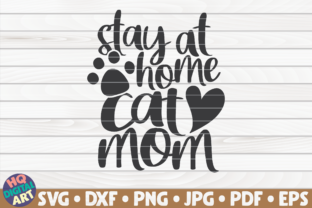
When I first opened the preview files for Stay at Home Cat Mom, the immediate vibe was cozy, relatable, and undeniably charming. The design captures the essence of the modern cat owner with a playful twist on domestic life. Visually, the layout feels balanced, which is essential for embroidery where negative space can sometimes look like a mistake if not handled correctly. The lines appear clean, suggesting that the vector data—likely derived from the included SVG and EPS files—is well-constructed. This clarity is vital because messy vectors often lead to jagged edges or unexpected gaps in the fill stitch once the machine starts running.
The personality of the design screams "gift." It is the kind of image that would instantly resonate with a customer browsing an online shop for personalized gifts or holiday embroidery items. Whether it features a stylized feline silhouette or a more detailed character illustration, the concept is strong enough to stand out on a crowded shelf. However, as a professional, my eye immediately goes to the details. Are the eyes too small? Is the text legible? In the case of Stay at Home Cat Mom, the composition suggests a focus on bold shapes rather than microscopic details, which is a smart choice for commercial embroidery where consistency across different fabric textures matters.
Real-World Application: From File to Finished Product
To truly test the value of this machine embroidery design, I imagined a specific scenario: creating a limited run of custom embroidered tote bags for a local craft fair. Tote bags are a staple for any small shop product line, but they present unique challenges due to their canvas texture and frequent handling. Using the Stay at Home Cat Mom graphic here would be ideal. The design's likely moderate complexity means it won't overwhelm the coarse weave of a cotton tote, ensuring the satin stitch outlines remain crisp and the fill stitch covers the background evenly without sinking into the fabric.
I also considered how this design would perform on sweatshirt embroidery. Sweatshirts are a popular medium for handmade products, but the fleece texture can sometimes hide fine details. If the Stay at Home Cat Mom design includes smaller elements, such as whiskers or tiny accessories, they might get lost on a heavy French terry fabric. In this case, I would recommend using a heavier weight thread or slightly increasing the stitch density during digitization adjustments to ensure visibility. Conversely, on a smooth baby onesie or a nursery pillow cover, the same design could shine, offering a soft, approachable aesthetic that parents love for baby embroidery projects.
For those selling digital assets or printable mockups, the inclusion of high-resolution PNG and JPG files is a significant advantage. These allow you to create professional-looking previews for your website or social media without needing to stitch every single variation. You can showcase the design on dark fabrics, light fabrics, and even as an embroidered patch mockup, giving potential buyers a clear idea of the final result before they commit to a purchase.
Navigating Technical Challenges and Fabric Choices
While the design looks promising, there are areas where caution is required. One of the biggest pitfalls in commercial embroidery is underestimating the impact of fabric texture. If you plan to use Stay at Home Cat Mom on a textured linen apron or a stretchy jersey knit, the results may vary significantly. On stretchy fabric, the tension of the stitching can cause the design to pucker or distort, especially if the design area is large. Always test the design on scrap fabric first. Hoop a piece of the actual material you intend to use, apply the appropriate stabilizer, and run a test stitch. This simple step can save you hours of rework and wasted thread colors.
Another critical factor is the hoop size. While the product description lists various file formats like DXF and SVG, it does not specify the exact dimensions of the design. As a reviewer, I advise checking the pixel dimensions of the PNG or the bounding box in the SVG file to confirm it fits within your machine's standard hoop sizes. Attempting to stitch a design that is too large for your hoop will result in misalignment and poor registration. If the design is intended for a cap or a curved surface, ensure that the curves in the artwork are gentle enough to follow the shape of the garment without distorting the lettering or the cat's features.
Thread color contrast is another element that defines the success of the finished product. A design like Stay at Home Cat Mom relies heavily on its visual impact. If you place a light-colored version of the design on a white sweatshirt, it will disappear. Similarly, a dark design on black fabric requires careful consideration of the running stitch and fill stitch density to ensure it doesn't look muddy. Testing the design in black and white mockups before committing to expensive threads is a pro tip that ensures your brand consistency remains intact.
Commercial Viability and Licensing Considerations
For creative entrepreneurs and digital product sellers, the versatility of the file formats included in this package is a major selling point. With DXF, PDF, SVG, PNG, JPG, and EPS files, you have the flexibility to use this design across multiple platforms. You can import the DXF directly into your embroidery software, use the SVG for cutting machines if you want to combine applique design techniques with embroidery, or utilize the high-quality PNG for marketing materials. This multi-format approach makes Stay at Home Cat Mom a robust asset for a diverse range of Crafts and Graphics projects.
However, before launching a new line of merchandise, always confirm the licensing terms. Just because you own the digital files does not automatically mean you have the right to sell unlimited finished goods or resell the files themselves. Ensure that the license allows for commercial embroidery use, whether you are making personalized gifts for clients or producing inventory for your Etsy shop. Understanding these boundaries protects your business and maintains your reputation as a professional designer.
Final Verdict for Designers and Makers
In conclusion, the Stay at Home Cat Mom design offers a solid foundation for creating engaging, marketable handmade products. Its friendly aesthetic and versatile file formats make it suitable for everything from holiday gifts to boutique branding. By taking the time to test the stitch density, verify the hoop size, and choose the right stabilizer, you can ensure that the final embroidery project meets the high standards your customers expect. Whether you are a seasoned apparel decorator or a hobbyist looking to expand your craft business, this design has the potential to become a favorite in your portfolio, provided you approach it with the practical insight and attention to detail that professional embroidery demands.