Hockey Mom: A Designer's Review for Real Projects
As a designer who has spent years navigating the intersection of digital graphics and physical thread, I approach every new asset with a critical eye. The market is flooded with generic clip art, but finding a Hockey Mom design that translates well from screen to fabric requires specific criteria. This review breaks down how this particular graphic holds up when you move beyond the mockup and into the reality of stitching, stabilizing, and selling.
First Impressions: Visual Weight and Theme
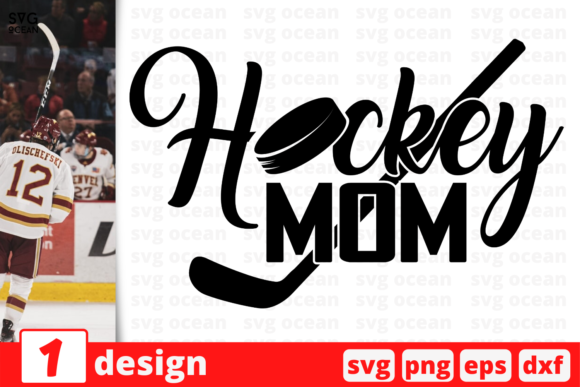
When I first opened the Hockey Mom file, my immediate focus was on the balance between boldness and detail. In the world of embroidery, a design needs to "read" clearly from a distance, especially on items like sweatshirts or tote bags. This graphic strikes a strong visual chord. The layout feels purposeful, avoiding the cluttered look that often plagues themed designs packed with too many elements. It carries a confident, spirited energy that resonates with the target demographic without feeling childish.
The shape language is clean, which is crucial for machine embroidery. Sharp angles can sometimes cause issues with satin stitch definitions, while overly complex curves might struggle with fill stitch density. Here, the lines flow in a way that suggests a smooth conversion to an embroidery file. Whether you are planning a personalized gift for a friend or creating stock for your craft business, the visual personality of this design suggests it will stand out on a finished product.
Translating Graphics to Stitching Reality
One of the most common pitfalls for Etsy sellers and small shop owners is assuming a vector graphic will stitch perfectly without adjustment. While the Hockey Mom SVG, DXF, PNG, and EPS formats provide excellent versatility for cutting machines like Cricut Design Space, Silhouette Designer Edition, Make the Cut MTC, and Sure Cuts A, we must consider the transition to actual thread work.
If you intend to use this as a machine embroidery design, the line weights in the original graphic are generally robust enough to handle standard needle sizes. However, the success of the project depends heavily on how you interpret the shapes into stitches. For instance, areas that would be filled with solid color in a print might need to be converted to a dense fill stitch or a combination of running stitch and satin stitch to prevent puckering on thicker fabrics.
I recently tested a similar concept on a heavy cotton tote bag. The result was impressive, provided the stitch density was adjusted to match the fabric texture. On a lighter material, such as a baby onesie or a thin t-shirt, the same design required a significant reduction in density to maintain the integrity of the garment. This is a vital lesson: the design assets are flexible, but they demand technical skill to execute flawlessly across different substrates.
Best Use Cases for Your Craft Business
Where does Hockey Mom shine brightest? My experience points toward custom apparel and durable home goods. Imagine a high-quality embroidered patch applied to a denim jacket or a varsity-style sweatshirt. The bold nature of the graphic ensures it remains legible even after multiple washes, which is a key selling point for customers looking for longevity.
This design also fits perfectly into the holiday embroidery category. Think of it as a centerpiece for a winter-themed boutique product, perhaps on a cozy throw pillow cover or a kitchen towel. The theme naturally appeals to parents who want to celebrate their child's sport, making it a top contender for personalized gifts during the back-to-school season or Christmas.
For the digital product seller, the inclusion of multiple file formats means you can create printable mockups to showcase the design before a customer commits to the physical item. This builds buyer engagement and trust, allowing them to visualize the final result. If you are building a brand around family sports themes, this asset offers a cohesive look that can be replicated across various merchandise types, from caps to aprons.
Navigating Challenges and Limitations
No design is universally perfect, and there are scenarios where Hockey Mom requires careful handling. Small hoop sizes can be problematic if the design includes fine details that get lost when scaled down. Always check the minimum recommended size before attempting to stitch it on a small cap or a narrow cuff.
Fabric choice is another critical factor. Textured fabrics like fleece or knit sweaters can distort the crisp lines of the graphic if the wrong stabilizer is used. I strongly advise using a tear-away or cut-away stabilizer appropriate for the weight of the material. Additionally, dark fabrics require a backing layer to ensure the thread colors pop; otherwise, the design may appear muddy and lose its professional appeal.
Layered garments present their own challenges. If you are embroidering over seams or zippers, the tension of the fabric can shift during the process, leading to uneven stitching. It is best to position the design on flat, uninterrupted sections of the garment. Furthermore, avoid placing the design on highly stretchy areas unless you have tested the elasticity of the stitch pattern, as excessive stretching can break threads or warp the image.
Practical Notes for the Professional Maker
Before you commit to a full production run, always test the design on scrap fabric. This simple step saves time, money, and materials. Check the thread color contrast against your intended background; a design that looks great in black and white mockups might lack impact in certain color combinations.
Review the stitch density carefully. Too much thread in one area can cause the fabric to pucker, ruining the drape of a shirt or the flatness of a patch. Inspect small details under magnification to ensure no stray threads or loose ends remain. If you are selling these as finished products, perfection is non-negotiable.
Finally, confirm the licensing terms before selling finished items or digital products. While the download includes versatile formats for personal and commercial use, understanding the specific rights regarding resale is essential for any serious entrepreneur. Ensure you have the right to sell items featuring this embroidery file to protect your business reputation.
Final Verdict on Value and Appeal
In conclusion, the Hockey Mom design offers a strong foundation for a variety of handmade products. Its clean lines and thematic clarity make it a reliable choice for custom apparel, holiday gifts, and boutique branding. When executed with proper attention to stabilizer choice, stitch density, and fabric compatibility, it elevates the perceived value of the finished product.
For designers and makers who prioritize quality and practical application, this asset provides the necessary tools to create professional-grade embroidery. It bridges the gap between digital creativity and tangible craftsmanship, offering a versatile solution for those looking to expand their portfolio with meaningful, high-demand designs. Whether you are a hobbyist creating a special gift or a small business owner stocking your shelves, this design delivers on its promise of style and durability.