Hooked on Mom: A Designer's Review for Real Projects
As a designer who has spent years navigating the intersection of digital graphics and physical textiles, I approach every new asset with a critical eye. The market is flooded with generic patterns, but finding a machine embroidery design that truly translates well from screen to fabric requires careful evaluation. Today, I am putting "Hooked on Mom" through its paces. This isn't just another file download; it is a potential cornerstone for your next collection of handmade goods, personalized gifts, or small shop merchandise. Let's dive into how this specific graphic performs when you move beyond the mockup and start stitching.
First Impressions: Visual Weight and Theme
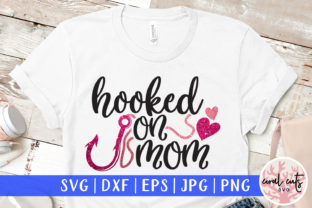
When I first opened the preview for Hooked on Mom, the immediate mood was warm and nostalgic. The typography and iconography work together to create a cohesive statement that feels both playful and heartfelt. In the world of Crafts, the visual personality of a design dictates where it belongs. Hooked on Mom leans heavily into the sentimental side of motherhood, making it an ideal candidate for holiday embroidery or nursery decor. The lines appear clean, which is promising for cutting machines, but the real test lies in how these lines translate into thread.
The layout suggests a balanced composition. It does not feel cluttered, which is often a pitfall in text-heavy designs. For an Etsy seller or a boutique owner, this balance is crucial. Customers need to recognize the message instantly. Whether you are planning to use this as an embroidered patch or direct stitching on a garment, the visual hierarchy holds up. However, remember that what looks crisp on a monitor can sometimes lose definition on textured fabrics. Always consider the thread colors you plan to use against your background material to ensure the design pops rather than blends in.
Real-World Application: From File to Finished Product
Let's imagine a specific scenario. You are preparing a custom embroidered tote bag for a Mother's Day craft fair. The canvas is sturdy cotton, and you want the design to sit prominently on the front. Hooked on Mom fits this application perfectly. The scale of the graphic allows for a large hoop size, ensuring that the details remain visible even from a distance. If you were to apply this to a sweatshirt embroidery project, the softness of the fleece might require a slightly different approach regarding stabilizer usage, but the design itself remains robust enough to handle the texture.
For those creating baby embroidery items, such as onesies or bibs, the sentiment is spot-on. Parents love personalized products that celebrate their role, and this design captures that emotion without being overly cutesy. It strikes a professional tone suitable for a handmade product line. When I think about commercial embroidery projects, I also consider durability. A design intended for a kitchen towel or apron needs to withstand frequent washing. The simplicity of Hooked on Mom suggests it will hold up well over time, provided the stitch density is managed correctly during the digitization process.
Technical Considerations for Cutter Machines
It is important to note the technical specifications provided with this item. The package includes SVG files compatible with Cricut Design Space and Silhouette Designer Edition, along with DXF files for broader cutter compatibility. While this is primarily marketed as a Graphics asset for cutting machines, many designers use cut vinyl or heat transfer vinyl (HTV) to mimic embroidery effects on delicate fabrics where stitching might be too heavy.
If you are using this as a true machine embroidery design, you must ensure you have the correct embroidery file format, as the included SVG and DXF are for cutting. Do not assume a cutter file is an embroidery file unless explicitly stated. If you intend to stitch this, you will need to verify if a corresponding .PES, .DST, or similar embroidery file is available or if you plan to digitize the vector yourself. Digitizing a font-based design like Hooked on Mom requires attention to satin stitch widths and fill stitch angles to prevent puckering.
Navigating Challenges: Where Caution Is Needed
Even the best designs have limitations. When working with Hooked on Mom, there are specific situations where you should proceed with caution. Small hoop sizes can be problematic. If you attempt to shrink this design significantly for a cap or a small pocket, the lettering may become illegible, and the intricate details could turn into a tangled mess of thread. Always check the minimum recommended size before committing to a tiny area.
Fabric choice is equally critical. On stretchy fabrics like jersey knit, the tension required to pull the thread through can distort the shape of the letters. Using a proper stabilizer is non-negotiable here. Similarly, dark fabrics present a challenge. If you use a single layer of white thread on black denim, the backing of the fabric might show through, ruining the clean look of the design. Consider using a toner sheet or a two-layer satin stitch technique to ensure opacity.
Detailed corners and tight curves are another area to watch. If the design includes sharp angles, they can sometimes cause thread breakage or uneven stitching if the machine speed is too high. Slowing down your machine and testing on scrap fabric first is a rule I never break. This test run helps you identify issues with running stitch registration or density before you ruin a expensive piece of apparel.
Maximizing Value and Professionalism
How does Hooked on Mom affect the perceived value of your finished product? A well-executed design elevates a simple t-shirt into a premium gift. The clarity of the text and the boldness of the imagery contribute to a sense of professionalism. For a small business owner, consistency is key. If you use this design across various items—tote bags, pillow covers, and hats—it creates a recognizable brand identity for your shop.
Customer trust is built on quality. If the stitching is loose or the design looks distorted, buyers will hesitate to return. By taking the time to review the digital embroidery file settings and testing the design, you ensure that every item leaving your studio meets high standards. This attention to detail is what separates hobbyists from successful creative entrepreneurs.
Practical Notes for Designers and Sellers
- Test First: Always run a test on scrap fabric that matches your final material. Check for puckering and alignment.
- Color Contrast: Plan your thread colors carefully. High contrast ensures readability, especially on busy backgrounds.
- Licensing Check: Before selling any finished items or digital products, confirm the licensing terms. Ensure you have the right to sell items made with Hooked on Mom commercially.
- Mockups Matter: Use printable mockups to visualize how the design looks in different contexts. Compare light and dark fabric backgrounds to see how the design adapts.
- Stabilizer Selection: Match your stabilizer to the fabric weight. Heavy stabilizers for knits, lightweight tear-away for wovens.
In conclusion, Hooked on Mom offers a versatile foundation for a variety of projects. Its strong visual appeal makes it a favorite for personalized gifts and boutique branding. However, its success depends entirely on your execution. By respecting the technical requirements, choosing the right materials, and testing thoroughly, you can transform this digital asset into a tangible, high-quality product that customers will cherish. Whether you are a seasoned decorator or a new maker, approaching this design with practical judgment will yield the best results.